The 512 area code carries strong identity and history. It represents more than just a set of digits. People across Texas and beyond instantly link it to vibrant culture, booming economy, and major cities. This article explains what the 512 area code is, its geographic reach, its evolution, how it works today, and why it matters to businesses and residents alike. You’ll get clear answers, easy examples, and useful facts that answer all common questions about this phone code.
Table of Contents
What Is the 512 Area Code
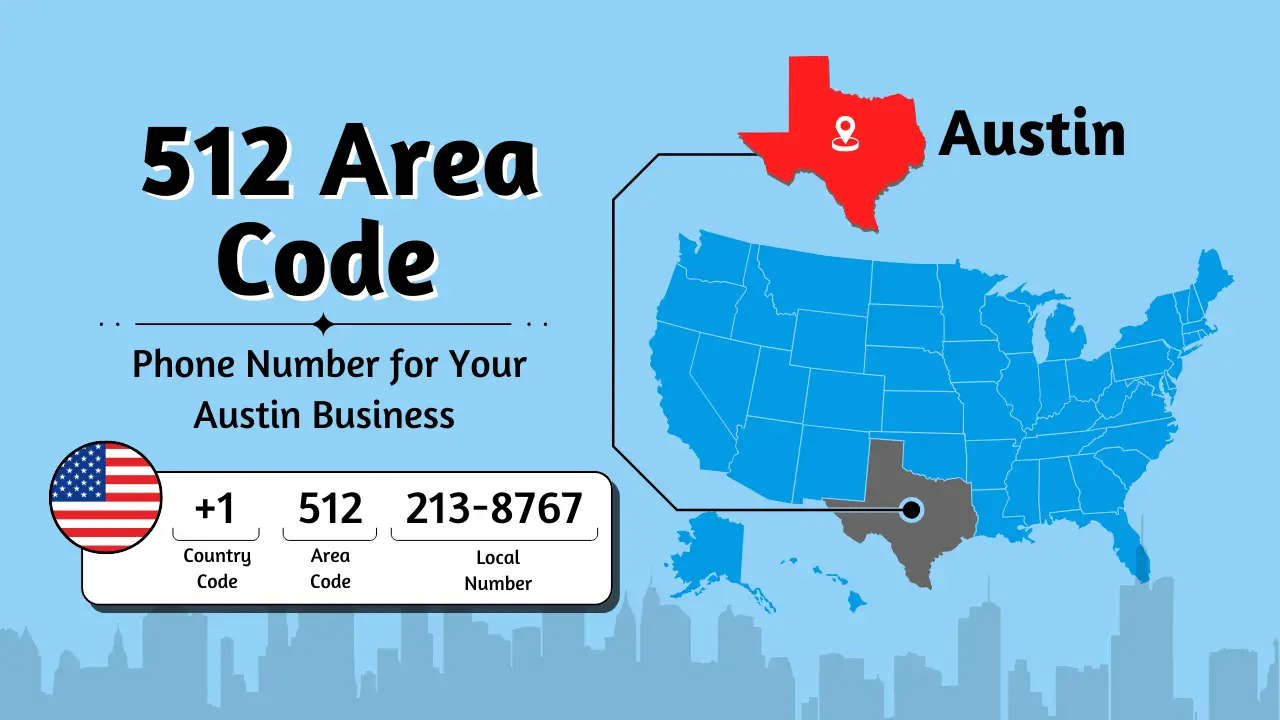
The 512 area code is a telephone area code in the United States. It belongs to the North American Numbering Plan (NANP) and serves parts of Central Texas. The code applies to both landlines and mobile phones within its coverage area. It is a geographic area code, not toll‑free or special‑purpose.
The 512 area code was one of the original telephone area codes assigned in 1947. At that time, it covered an enormous region of central and south Texas. Over the decades, growth and demand for new numbers led to smaller territory coverage.
Today, the 512 area code is deeply connected to Austin and its surrounding communities. It remains active with a modern overlay code to support its growing population and communication needs.
Where Is the 512 Area Code Located
The 512 area code is located in Central Texas, within the Central Time Zone. Its geographic area includes a mix of dense cities, suburbs, and smaller towns.
The most prominent city in this region is Austin, the capital of Texas. Austin is well known for its technology sector, music culture, and thriving business environment. Beyond Austin, the code also covers areas such as Round Rock, Cedar Park, San Marcos, Georgetown, and Pflugerville.
The code touches multiple counties such as Travis, Williamson, Hays, Bastrop, Burnet, and Caldwell. This mix of urban and rural areas makes the 512 area code both economically significant and geographically diverse.
History of the 512 Area Code
When area codes were first implemented, 512 covered a massive region, stretching southward toward the Mexican border. Over time, the region shrank due to rapid population growth and the need for additional phone numbers.
In 1992, area code 512 was reduced when the western portion became the 210 area code. This meant cities like San Antonio received their own code.
Later, in 1999, the southern section of the original 512 region became area code 361. These splits helped balance the number demand and served growing communities.
By 2013, rapid growth around Austin led to the addition of an overlay code, 737, which serves the same region as 512. Overlay codes allow more phone numbers without requiring existing ones to change.
Overlay and Dialing Rules
With the 737 overlay now active, both 512 and 737 area codes coexist across the same geographic footprint. That means new phone numbers assigned in the region may carry either code.
Because of the overlay, ten‑digit dialing is required for all calls within the region. You must dial the full area code plus the seven‑digit number to connect calls, even locally.
This change was implemented to support a growing volume of landlines, cell phones, and voice lines tied to businesses, residents, and devices. The overlay keeps the region well supplied with new numbers.
Major Cities and Communities in the 512 Area Code
The 512 area code covers dozens of cities and towns. Most notable is Austin, followed by fast‑growing suburbs and smaller communities.
Here are key cities served by 512:
- Austin – State capital and the largest city in the region.
- Round Rock – Major suburban hub north of Austin.
- Cedar Park – Suburb with strong residential growth.
- San Marcos – South of Austin, known for its universities.
- Georgetown – Growing community with historic downtown.
- Pflugerville – Vibrant area with family‑oriented neighborhoods.
These cities play a role in shaping the identity and economic power of the 512 area code region.
Why the 512 Area Code Matters
The 512 area code is more than just numbers. It symbolizes culture, growth, and community in Central Texas. Many residents and businesses use this code as part of their identity. It’s common to see “512 pride” in local initiatives, art, and branding.
Businesses use a 512 number to signal local presence. Local phone codes can boost trust with customers, especially in competitive markets. Companies often seek numbers with well‑known area codes to establish credibility and familiarity.
Even outside the region, a 512 number may feel recognizable due to Austin’s national reputation in tech, culture, and entertainment. That makes the area code valuable beyond simple dialing purposes.
Future of the 512 Area Code
As Central Texas continues to grow, demand for new phone numbers will remain strong. The overlay approach with 737 keeps number supply healthy. Future changes depend on population trends and numbering demand set by telecommunications authorities.
For now, 512 remains active and widely used. Residents and businesses alike can continue using this code without interruption.
Conclusion
The 512 area code is an iconic and functional part of Texas telecommunications. It connects communities, supports business identities, and reflects regional growth. Whether you live in the Austin metro or plan to start a business there, knowing how the 512 area code works gives you an edge in communications. Stay informed, use local numbers smartly, and make every connection count. Choose your phone number with confidence — start with 512 today!
FAQs
1. What region does the 512 area code cover?
The 512 area code serves Central Texas, including Austin and surrounding towns such as Round Rock and San Marcos.
2. Is 512 a toll‑free code?
No. The 512 area code is a regular geographic code, not toll‑free.
3. Why is there also a 737 code?
The 737 area code is an overlay for 512 to ensure enough phone numbers are available in the region.
4. Do I need to dial 10 digits for local calls?
Yes. Because of the overlay, ten‑digit dialing is required for all local calls in this area.
5. Can scammers use a 512 number?
Yes. Scammers can spoof any area code, including 512. Always verify unknown callers before sharing personal details.
About the Author