When you hear the phrase “end navigation,” your mind might immediately jump to the moment when Google Maps says, “You have arrived at your destination.” But the concept goes far beyond a simple button or notification. In today’s digital era, “end navigation” has become a functional instruction, a tech behavior, and even a metaphor for knowing when you’ve reached the conclusion of a process. Whether you’re driving, exploring apps, or managing workflow tools, understanding the purpose and context of “end navigation” helps you use technology smarter and more efficiently. Let’s break it all down in a way that’s easy, casual, and still insightful like a pro wrote it.
What Does “End Navigation” Actually Mean A Simple Instruction With a Powerful Purpose
At its core, “end navigation” is a command used to stop ongoing GPS guidance on navigation apps. When you tap that button, you’re telling the app you no longer need directions or voice prompts. While the action seems simple, its purpose is important: it tells the system to halt location tracking, stop recalculating routes, and close out the active navigation session. This reduces distraction, saves battery, and minimizes unnecessary data usage—all small but meaningful benefits More Than Just Maps
Although we mostly see it in mapping applications, the phrase has made its way into other types of digital tools. For instance, some apps use “end navigation” to indicate the closing of a guided process, such as navigating through menus, tutorials, or onboarding flows. So the phrase has essentially become synonymous with “stop guiding me” across various digital experiences. It’s interesting how a term rooted in travel has adapted into something universal across tech A Moment of Completion
There’s also an emotional side to “end navigation,” and you’ve probably felt it without realizing. It’s the small, satisfying moment of achievement when you’ve arrived somewhere or completed a step-by-step process. Ending navigation means closure, and closure feels good. It means you’ve completed the journey—digital or physical—and you can now switch gears, relax, or move on to the next task.
How “End Navigation” Shapes User Experience in Apps A Key Component of App Design
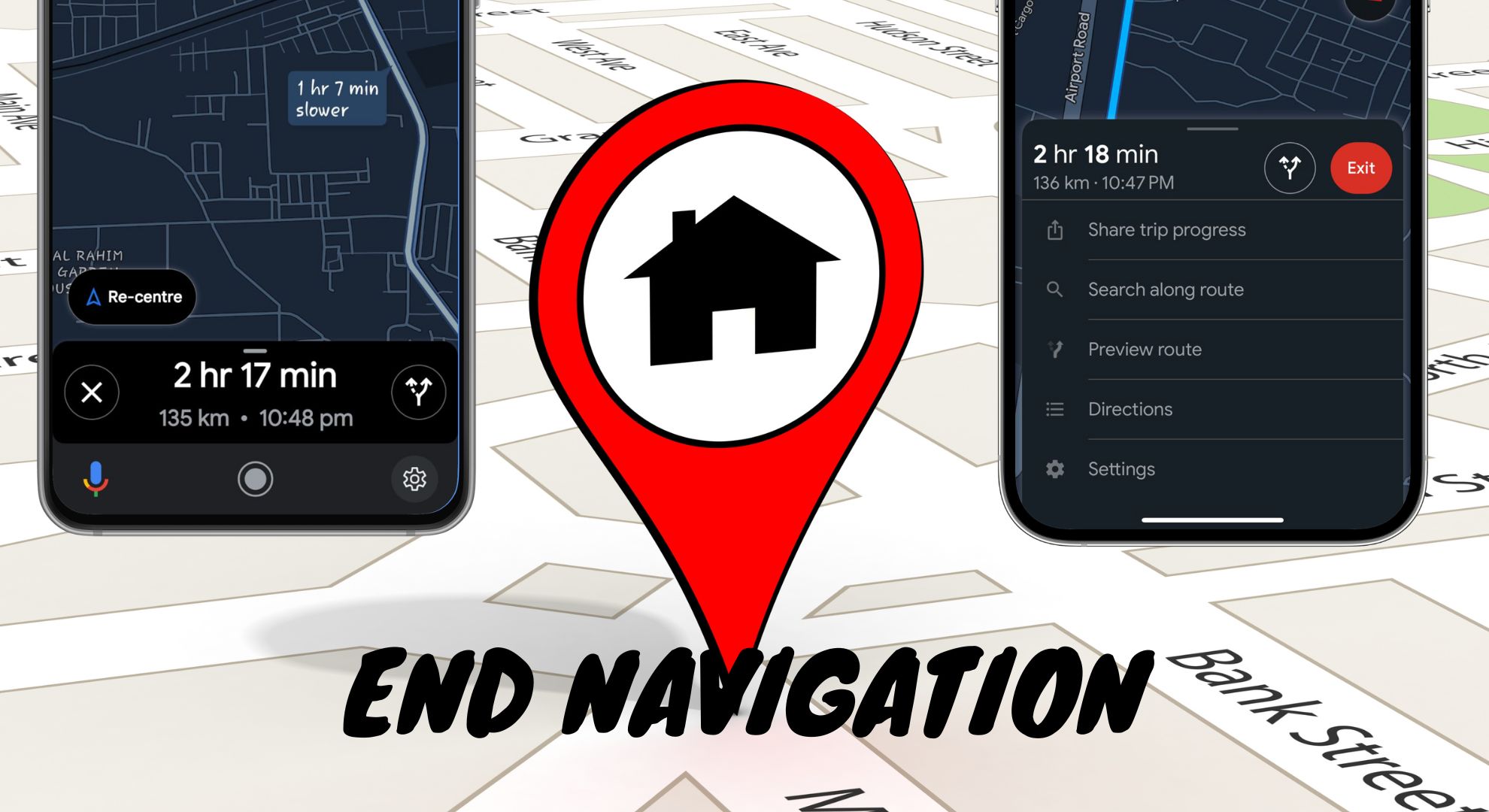
Developers put a lot of thought into where and how the “end navigation” option appears. It has to be accessible, easy to notice, and safely operable—especially in driving scenarios. This makes it a crucial part of UI and UX design. If the placement is confusing or too hidden, users may get frustrated or distracted, which can even lead to unsafe behavior when driving. So, this simple button is actually the result of intentional, user-focused design thinking Reducing Cognitive Load
Good navigation apps are built around the idea of minimizing how much you have to think while using them. “End navigation” plays a big role in this. Once you tap it, everything calms down. The voice stops talking, the map stops recalculating every few seconds, and the screen switches back to a more static view. This mental quietness is especially beneficial when you’ve arrived somewhere and need to focus on the next real-world task A Safety-Centric Feature
In commuting or travel apps, safety is always the top priority. Ending navigation ensures that drivers aren’t distracted by unnecessary announcements or screen updates. Imagine driving through busy traffic only to have your navigation system keep instructing you to “turn around” because it thinks you’re going the wrong way. Ending navigation prevents these moments. It’s a safety measure disguised as a convenience feature.
Why Ending Navigation Matters More Than Ever Battery and Data Management
Navigation apps constantly use GPS, mobile data, and background processes. If you forget to end navigation after you’ve arrived somewhere, your phone continues running all these tasks unnecessarily. Over time, this drains battery, consumes mobile data, and even affects the phone’s performance. So ending navigation is not just about stopping directions—it’s about managing your phone’s health. Digital Wellness and Reducing Overload
We live in a world where notifications never stop, apps run endlessly in the background, and screens demand our attention from morning to night. Using the “end navigation” feature is almost symbolic of setting boundaries. It helps reduce unnecessary digital noise and encourages intentional tech usage. Many users don’t realize how many apps continue tracking their movement until they manually stop the navigation session Security and Privacy Benefits
Navigation apps depend heavily on location tracking. When you’re actively navigating, the app continuously monitors your exact position. Ending navigation stops this constant tracking, which is a small but meaningful step toward better digital privacy. While most apps don’t misuse this data, it’s always smart to be mindful of when you’re sharing your location and when you should be turning it off.
Common Scenarios Where “End Navigation” Becomes Important After Reaching a Destination
The most common and obvious scenario is simply arriving somewhere. Whether you’re parking outside a restaurant, reaching your office, or visiting a friend, you’ll almost always see the option to end navigation. It’s the app’s way of saying, “We’re done here—you can take control now. When Plans Change Mid-Route
Sometimes you decide to go somewhere else mid-drive, or maybe you want to stop for food or fuel. Ending navigation makes it easier to reset your route cleanly. Many users forget that continuing navigation when your plans change can cause the app to keep recalculating over and over, which can be annoying and distracting Exploring Offline or Conserving Energy
If you’re in an area with poor signal or want to conserve your battery, ending navigation is a smart choice. It turns off the real-time GPS tracking that drains battery quickly. Later, you can re-start navigation whenever you need it.
The Future of “End Navigation” in Tec Smarter, More Automatic End Detection
Many apps already detect when you’ve reached your destination, but future navigation systems are likely to take this even further. They may intelligently end navigation based on motion detection, parking sensors, or even syncing with smart car systems. You may not even have to press the button anymore Integration With AI Assistants
As AI assistants become more advanced, ending navigation could become part of a larger automated workflow. For example, your phone might end navigation and automatically switch your device to silent mode, open your parking payment app, or remind you to check into a meeting. The “end navigation” moment becomes the trigger for other helpful actions More Context-Aware Experiences
Future apps may tailor the end navigation experience based on where you are, what time it is, and what you’re trying to do. For instance, ending navigation at a mall could pop up a store directory. Ending it at the airport could show your terminal information. The simple concept of ending a route becomes the starting point for an enhanced experience.
Conclusion
“End navigation” may sound like a small feature, but it carries more weight than people realize. It’s a design element that improves safety, boosts phone performance, protects privacy, and brings a sense of completion to digital journeys. Whether you’re using a map app or navigating through a digital process, ending navigation is a crucial step that ensures everything works smoothly. As technology continues to evolve, this feature will become even smarter, more automatic, and more personalized—reminding us that sometimes the end of one route is just the beginning of a new experience.
You May Also Read
About the Author